





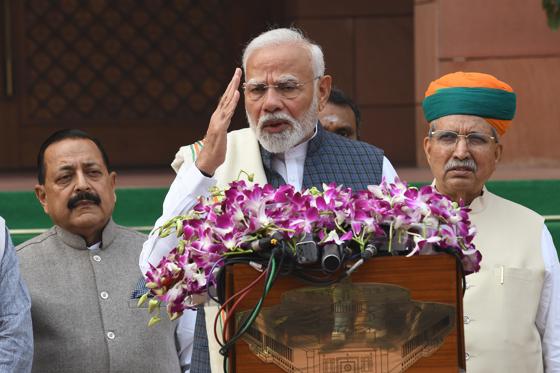
India debates 50% Lok Sabha seat increase. 1/3 of those will be assigned to Women!
India current seat distribution dates back to 1973
New Delhi, India Apr 16 (EFE).-
India began a special three-day parliamentary session Thursday to debate a constitutional reform to expand the lower house by 50 percent and reserve one-third of seats for women, a move the opposition says could alter the country’s political balance.
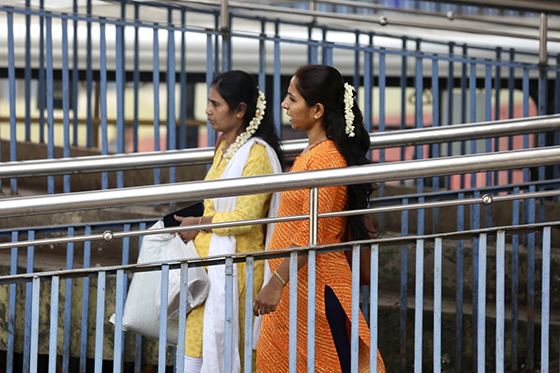
The proposal would increase seats in the Lok Sabha from 543 to 850, creating the world’s largest directly elected lower house, surpassing the British House of Commons, while remaining behind China’s National People’s Congress in overall size.

The reform also includes a redrawing of electoral constituencies based on updated population data, a change expected to increase representation for northern states with larger populations, while reducing the relative weight of southern states with lower birth rates.

India’s current seat distribution dates to 1973 and remains based on the 1971 census, despite the population nearly tripling to more than 1.4 billion people.
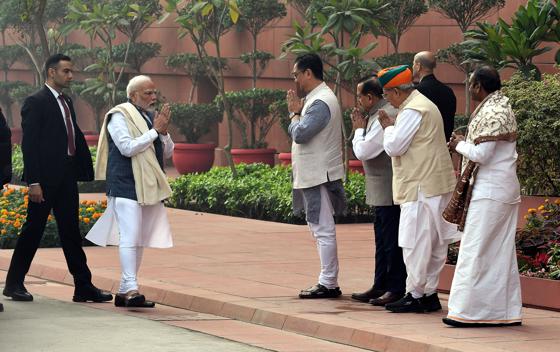
As a result, each MP represents an average of more than 2.5 million citizens, one of the highest ratios globally.
Prime Minister Narendra Modi described the reform as a major step toward gender equality.

“Our country is all set to take a historic step towards women’s empowerment. The respect for our mothers and sisters is the respect for the nation, and with this very spirit, we are moving forward resolutely in this direction,” Modi wrote on X.
Opposition leaders, however, accused the government of linking women’s reservation to electoral delimitation for political gain.

“The Congress Party fully supports reservation for women (…), but this proposal is an attempt to seize power through delimitation,” opposition leader Rahul Gandhi said.
Women currently hold about 14 percent of Lok Sabha seats, below the Asian average of 21.5 percent, according to 2024 data from the Inter-Parliamentary Union.

The ruling Bharatiya Janata Party has until April 18 to secure the two-thirds majority required to pass the constitutional reform, which could reshape India’s political landscape for decades. EFE

eel-sk
