



14th Amendment Supreme Court Clarification!
The 14th Amendment was adopted after the Civil War.
Washington, Apr 1 (EFE).-
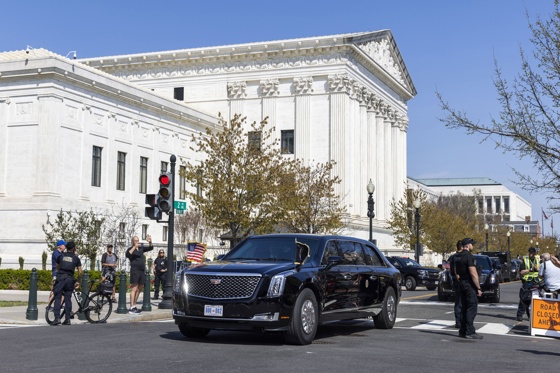
United States President Donald Trump attended a Supreme Court hearing Wednesday as justices considered the legality of his order seeking to limit birthright citizenship and mainly affecting children born to undocumented immigrants or those on temporary visas.
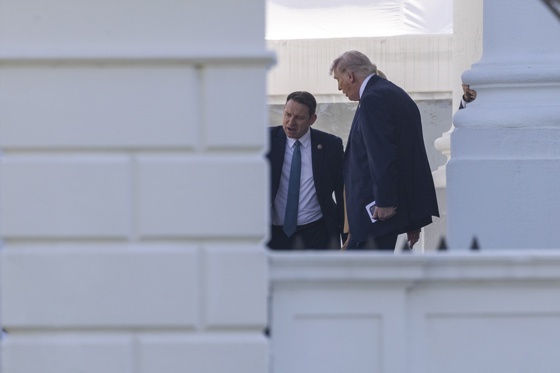

It is the first time a sitting US president has attended oral arguments at the high court.
Trump arrived shortly before the session began and sat in the front row of the public gallery, listening quietly as Solicitor General John Sauer defended the administration’s position.
The case could reshape a right guaranteed under the Constitution’s 14th Amendment, which has granted citizenship to nearly anyone born on US soil since the 19th century.
Trump signed the executive order on his first day back in power in January 2025 as part of a broader crackdown on immigration. The policy was quickly challenged in multiple states.

In June 2025, the Supreme Court’s conservative majority allowed the measure to take effect by lifting nationwide injunctions imposed by lower courts. The justices did not then rule on the constitutionality of the order itself.
Critics, including civil rights groups and legal experts, argue that birthright citizenship is a constitutional guarantee that cannot be altered by presidential action.

“If President Trump wishes to come to the Supreme Court to watch the ACLU school him in the meaning of the Constitution and birthright citizenship, we will be glad to sit alongside of him in that very court,” said Anthony D. Romero, executive director of the American Civil Liberties Union, which is backing the legal challenge.
Romero called it “one of the most important cases in the last hundred years” and said the court is capable of upholding the Constitution “even under the glare of a sitting president.”

Trump has argued that the 14th Amendment, adopted after the Civil War, was intended to protect formerly enslaved people and not migrants seeking to secure citizenship for their children.
A study by the Migration Policy Institute estimates that about 255,000 children per year could be affected if the court ultimately upholds the restrictions.
While no sitting president has previously attended oral arguments, some have had ties to the court. Richard Nixon argued a case before becoming president, and William Howard Taft later served as chief justice. EFE
ygg/bks