






Polyvagal fight, flight or love reflex?
Polyvagal Theory
International Desk, Jul 16 (EFE).-
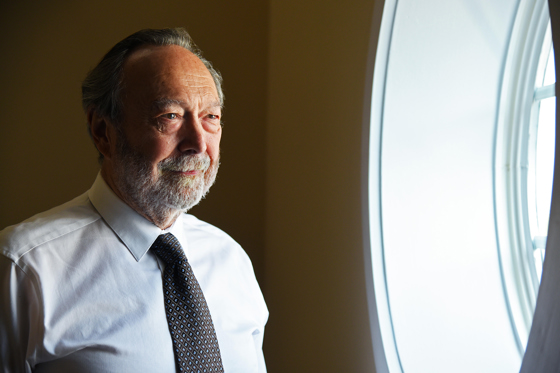
Before we begin to reason, the body has already decided whether it is time to fight, flee, or connect. That is the premise of a group of experts led by American neuroscientist Stephen Porges, who argue that the autonomic nervous system—beyond reason or willpower—is key to understanding, mediating, and even preventing different kinds of conflict.

This idea is based on the Polyvagal Theory, developed by Porges and published in 1995, which explains how evolutionary changes in the mammalian nervous system expanded humans’ ability to regulate their physiological state and, consequently, the way they relate to others.
“Evolutionary changes not only strengthened our ability to respond to danger, but also made possible physiological states that support social interaction, communication, caring for others, learning, and lasting relationships,” Porges, who is also co-founder of the Polyvagal Institute (PVI), told EFE.
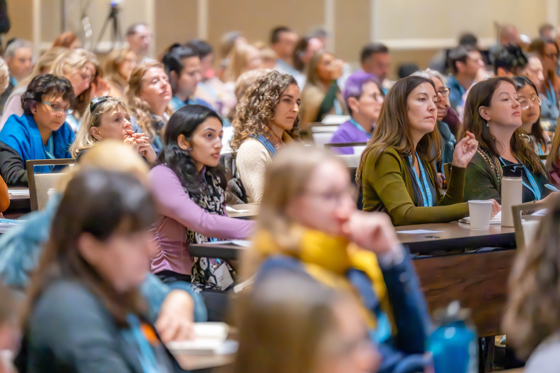
According to the theory, a person’s physiological state determines which abilities are available to them at any given moment. When the nervous system detects safety, it opens the door to curiosity, compassion, creativity, and connection. When it detects danger, the body prioritizes self-defense.

For that reason, Porges says that before trying to resolve a conflict through logic or argument, instead of asking only, “Why did this person react this way?” it is also worth asking what state their nervous system was in.
This question fosters compassion for both oneself and others, while reminding us that before people can resolve conflicts together, they often need to feel safe enough to engage with one another.
Three neural circuits
The theory explains that the nervous system follows a biological hierarchy consisting of three neural circuits: the ventral vagal circuit, which supports regulation, social engagement, and empathy; the sympathetic nervous system, which is activated in response to danger and prepares the body for action; and the dorsal vagal circuit, which emerges in the face of extreme threat and can result in immobilization or emotional shutdown.
Which circuit dominates at any given moment depends on neuroception. This unconscious process constantly evaluates safety and threat signals within the body, in the environment, and in interactions with other people.

This constant “scanning” occurs before any conscious thought and helps explain why people sometimes react disproportionately during conflicts without fully understanding why.
Deb Dana, co-founder of the Polyvagal Institute and a trauma therapist, told EFE that recognizing “what state the nervous system is in” should be the first step, even before looking for a solution.
To do this, Dana recommends creating a personal map of the nervous system to identify warning signs and the resources available to restore balance. She also suggests relying on “anchors” such as trusted people or pets, activities like spending time in nature, or tangible objects that create a sense of safety.
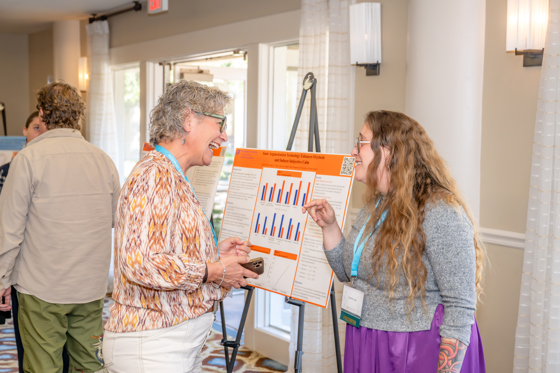
Co-regulation, another key element of the theory, is defined as the process by which two people help stabilize each other’s nervous systems. According to Dana, it is a crucial tool in any conflict, since a calm tone of voice or a relaxed facial expression can convey safety and facilitate dialogue.

PVI International Gathering
The Polyvagal Institute, created to translate these scientific findings into practical tools, will host the 2026 PVI International Gathering: “Navigating Conflict With a Resilient Nervous System” in Sitges, Spain, from Sept. 22 to 24, with additional in-person workshops on Sept. 25.

With simultaneous Spanish interpretation available for both in-person and virtual participants, this will be the first time the event is held in a Spanish-speaking country. In addition to Porges and Dana, speakers will include physician and trauma expert Frank Anderson; psychologist and Instituto Cuatro Ciclos founder Enrique Arellano; and journalist Kate Woodsome, founder of the Invisible Threads Impact Lab.
Full details about the event, including schedules, session topics, and registration information, are available on the Polyvagal Institute’s website. EFE
pbd-jap/vc/mb/gpv/lap

EFE received support from the Polyvagal Institute for the publication of this content.
