




IDB annual meetings showcase private sector, minerals, integration
Luque (Paraguay), Mar 15 (EFE).-
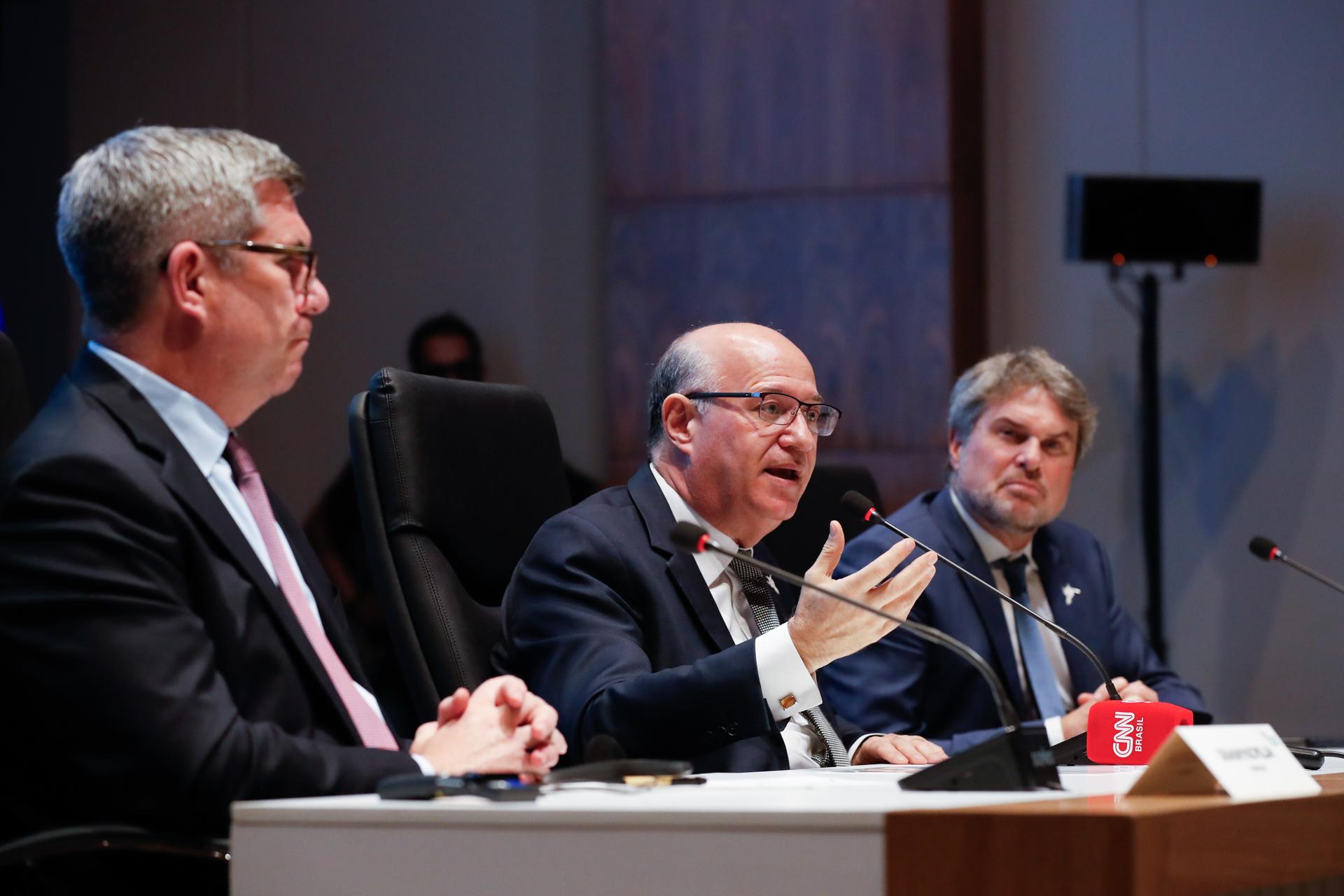
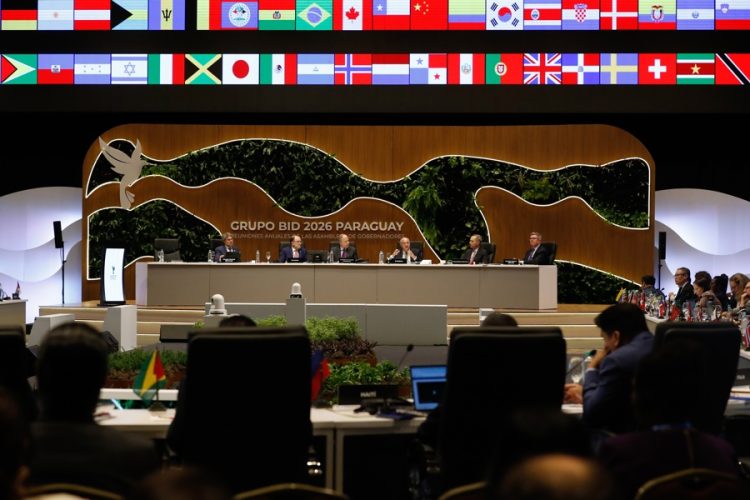
The Inter-American Development Bank (IDB) Group’s annual meetings held in Paraguay from March 11 to 14 consolidated the institution’s strategic shift to increase the scale and impact of its financing and also underscored three major immediate challenges for Latin America and the Caribbean.

The importance of the private sector
“Public reform and private capital must move forward hand in hand. The IDB Group is where that connection takes place,” IDB Group President Ilan Goldfajn said.
In Paraguay, significant progress was announced within IDBImpact+, the initiative launched in 2024 that integrates the work of the institution’s three branches: IDB, IDB Invest, which focuses on the private sector, and IDB Lab, its innovation arm.

One key development was the completion of the $3.5 billion capitalization of IDB Invest, which now allows the group to project a financing capacity of $500 billion over the next decade, double that of the previous 10 years.
The growing role of private initiatives was also reflected in the fact that nearly half of the more than 4,000 participants from 48 countries were representatives of companies and investors.

“For the first time, the IDB Group’s annual meetings are composed equally of representatives from the public and the private sectors, and we are pleased to do this in Paraguay, which has been a pioneer in private-sector-led development,” Goldfajn said at the opening of the meetings’ business forum.
Critical minerals
During the meetings, LAC Minerals was presented, an initiative designed to ensure that the exploitation of Latin America and the Caribbean’s enormous potential in the critical minerals industry is accompanied by the development of value chains that generate sustainable and equitable growth.

The new program, coordinated through IDB and IDB Invest, is based on three pillars: promoting policy reforms to facilitate investment, mobilizing private investment and risk management, and developing value chains along with complementary public and private infrastructure.
Driven by growing demand from the technology, automotive, and renewable energy sectors, as well as by the desire of the United States, Europe, Japan, and South Korea to diversify their suppliers, Latin America, already responsible for about 30% of the global supply of these minerals, is expected to become an even more influential player thanks to its reserves of lithium, copper, nickel, and molybdenum.

However, studies published by the group emphasize the importance of going beyond simple extraction and investing in refining and processing capabilities so that the sector can deliver broader and more equitable growth.
Regional integration and connectivity
Goldfajn also stressed during the meetings that the group’s third priority is to promote regional integration “for those countries that are ready” to move forward toward greater regulatory, customs, and market connectivity with neighboring countries.

During the plenary sessions, a high-level dialogue was held on South Connection, the group’s program to strengthen physical, digital, and energy connectivity among 11 South American countries (Argentina, Bolivia, Brazil, Chile, Colombia, Ecuador, Guyana, Paraguay, Peru, and Uruguay).
At a press conference, IDB Vice President for Countries and Regional Integration Anabel González emphasized the importance of addressing connections between participating countries “in a comprehensive way,” going beyond simply “building bridges or roads,” and giving increasing importance, for example, to the export of digital services.

González noted that the program now has operations in nearly all participating countries. Among the most significant projects for 2026, she mentioned the Bi-Oceanic Corridor, which, with $200 million in financing, aims to connect Atlantic ports in Brazil with Pacific ports in Chile through Paraguay.
The executive also cited a program that will allocate another $100 million to finance the paving of 100 kilometers of National Route 51 near the Argentine city of Salta, connecting the Puna region with the national highway networks of Chile and Argentina. EFE

asb/nvm/lap


 Group’s annual meetings held in Paraguay from March 11 to 14 consolidated the institution’s strategic shift to increase the scale and impact of its financing and also underscored three major immediate challenges for Latin America and the Caribbean.)