




El Gallito neighborhood “Red Zone”
Guatemala City, Jan 23 (EFE).- By José Carlos Móvil and Alex Cruz
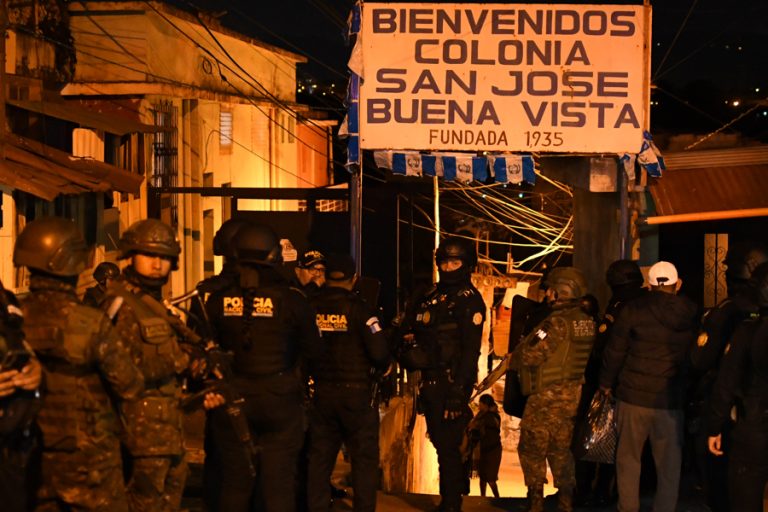
Located two kilometers from the center of Guatemala City, the El Gallito neighborhood can only be entered with the permission of the criminal organizations that dominate the area or with the security forces; otherwise, it’s risky.
The young men apparently entered the neighborhood by mistake on Tuesday morning and were attacked with bullets. One of them, 22, died from his injuries.

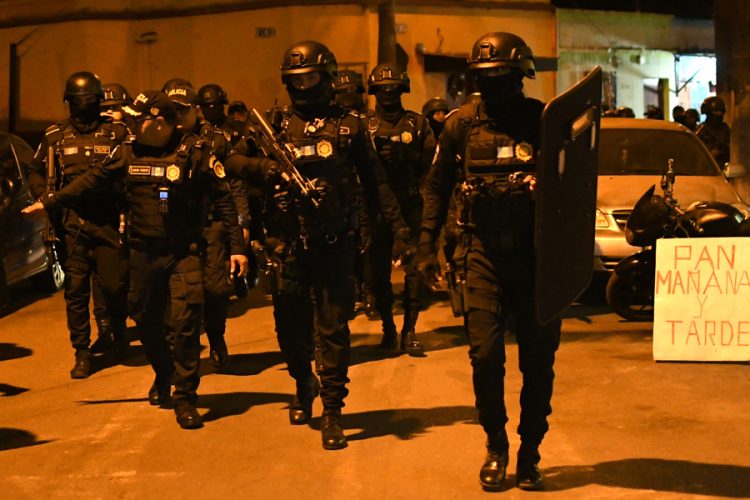
On that day, the government had already declared a state of siege after 10 police officers were killed by alleged gang members in different parts of the capital on Sunday, which led the army and the national civil police to carry out operations in the area this week to combat violence. EFE accompanied the patrols along with security forces.
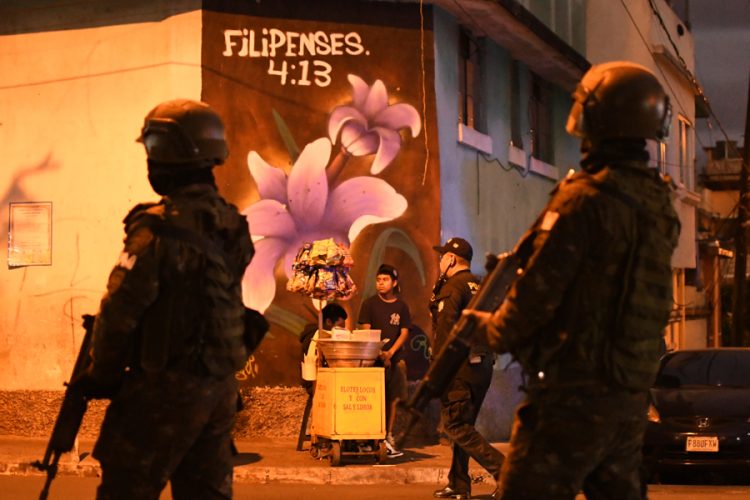
Historically, the popular El Gallito neighborhood has been off-limits to outsiders due to the proliferation of criminal groups.
Permission from local leaders and adherence to strict rules, such as driving with the windows down, are required for access to its most conflictive areas.

Under the state of siege declared on Sunday, the authorities can detain any person suspected of terrorism without a judicial order, as has been done in other “red zones.”
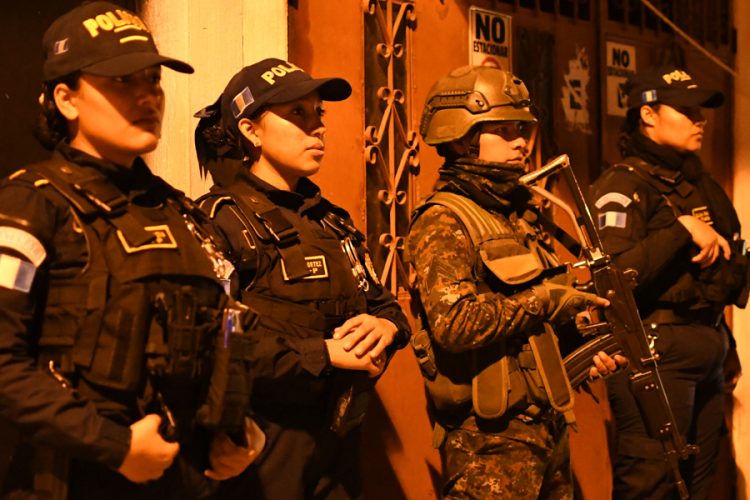
“These patrols aim to prevent further attacks on our colleagues and pursue the terrorist gang members responsible for the chaos in our institution,” explained Édgar Lainez, the third-ranking officer of the National Civil Police, to EFE.
The murders of the agents are allegedly the work of members of the Barrio 18 gang, who attacked in retaliation after security forces regained control of three prisons where riots and hostages occurred on Saturday.

“The patrols have not been affected, but reinforced with elements to provide more support and enable them to handle any situation with these criminals,” Lainez said.
Under alert
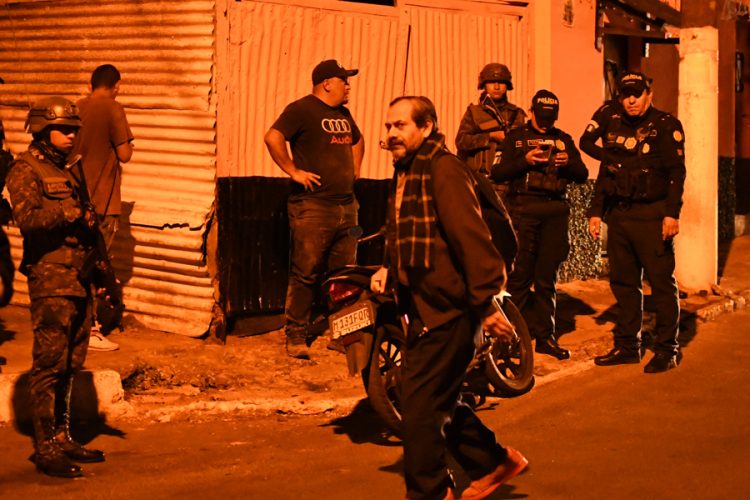
Among the 10 agents murdered were two women, a situation that has not gone unnoticed by the institution.
“The alert continues. We never neglect ourselves or lower our guard,” said Élida Chavajay, an agent with almost five years of service in the National Civil Police, in an interview with EFE.

“We take self-protection measures, and we don’t trust anyone,” she said.
This week, both Lainez and Chavajay participated in ground and motorized patrols in El Gallito as part of operations that have extended to other areas, like the northern part of the capital, the southern municipality of Villa Nueva, and the western municipality of Mixco.
By Wednesday, authorities had detained nearly 300 individuals, including 23 gang members directly linked to the attacks on the 10 murdered police officers.

On Friday morning, the government reported on social media that it was executing over 20 search warrants, prioritizing areas with the highest crime rates.
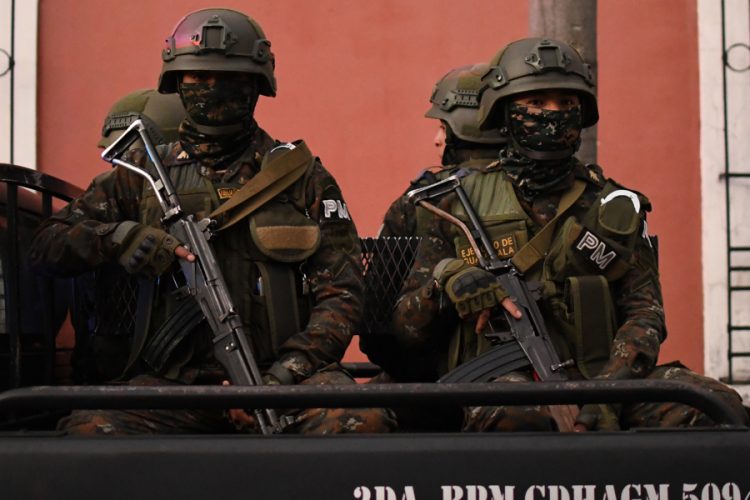
They reported capturing over 100 people in the most recent actions, including four alleged terrorists identified as Killer, Negro, Gatica, and Maco. EFE

jcm-ac/dgp/mcd
