

Rio de Janeiro (Brazil), Feb 12 (EFE)
The 2026 carnival, which kicks off this Friday, is expected to have an estimated economic impact of between $2.8 billion and $3.597 billion in Brazil, driven by the country’s favorable economic climate and the sustained increase in domestic and international tourism, according to sources consulted by EFE.
If these projections from the Federation of Trade in Goods, Services and Tourism of the State of São Paulo (FecomercioSP) are confirmed, the South American country’s income will increase between 3.8% and 10% in relation to 2025.

According to the Ministry, some 65 million people will participate in this year’s carnival festivities and will generate about 18.6 billion reais (3.597 billion dollars or 3.009 billion euros).
According to FecomercioSP, greater purchasing power, a more dynamic labor market, and a greater supply of credit to finance travel explain part of the boost in carnival numbers.
Even short journeys, whether by plane, bus or car, generate chain effects in transport, accommodation and food.

In fact, the segments that concentrate the highest incomes are bars and restaurants and land transport, because they do not depend as much on reservations made well in advance, as is the case with hotels or airline tickets, the chief economist of the National Confederation of Trade in Goods, Services and Tourism (CNC), Fabio Bentes, told EFE.
The employers’ association anticipates an impact of 14.48 billion reais (about 2.8 billion dollars at the current exchange rate) from the carnival and the creation of about 39,000 temporary jobs throughout the country, driven by tourism, commerce and the service sector.
More foreign visitors
Bentes pointed out that another relevant factor is the increase in international tourism. Following the pandemic, the arrival of foreign visitors has strengthened, reaching 9.3 million in 2025, a new record, according to official data.
The revenue generated by these visitors totaled $7.865 billion, 7.1% more than in 2024, according to the Brazilian Agency for International Tourism Promotion (Embratur).

The expert attributed part of that increase to the economic recovery of Argentina, the main source of tourists to Brazil, and to a greater presence of visitors from other South American countries, such as Chile.
Furthermore, he highlighted that the average expenditure of foreign tourists is around one thousand dollars per trip, an amount at least 30% higher than the average of the national tourist.

“Every year we receive more people in Brazil, whether it’s because of the samba, axé, frevo, or maracatu that liven up the carnival celebrations that extend throughout the country,” Embratur President Marcelo Freixo told EFE, adding that a 22% increase in tourists is expected this year compared to 2025.
According to Freixo, this is because the carnival celebrations in Brazil, in addition to generating jobs and income, are “a life experience,” due to the way the Brazilian people welcome tourists.
The one in Rio is not the one with the greatest impact
In Rio de Janeiro, the main international showcase of the Brazilian carnival, some eight million attendees are expected throughout the 37 days of programming, including parades in the sambadrome, technical rehearsals and hundreds of street troupes.
The municipal tourism company Riotur estimates that the festival could equal or even exceed the 5.7 billion reais (US$1.102 billion) it generated last year.
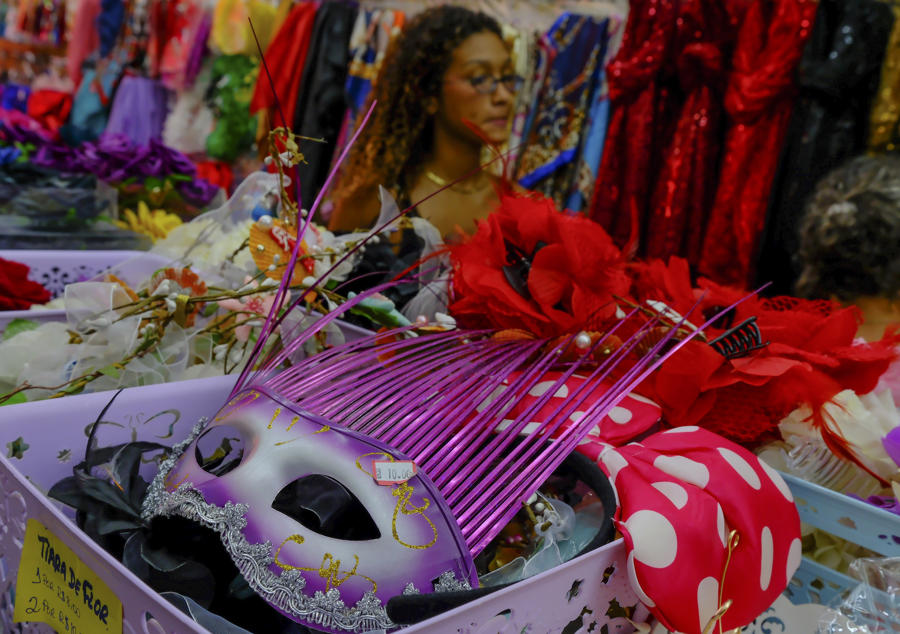
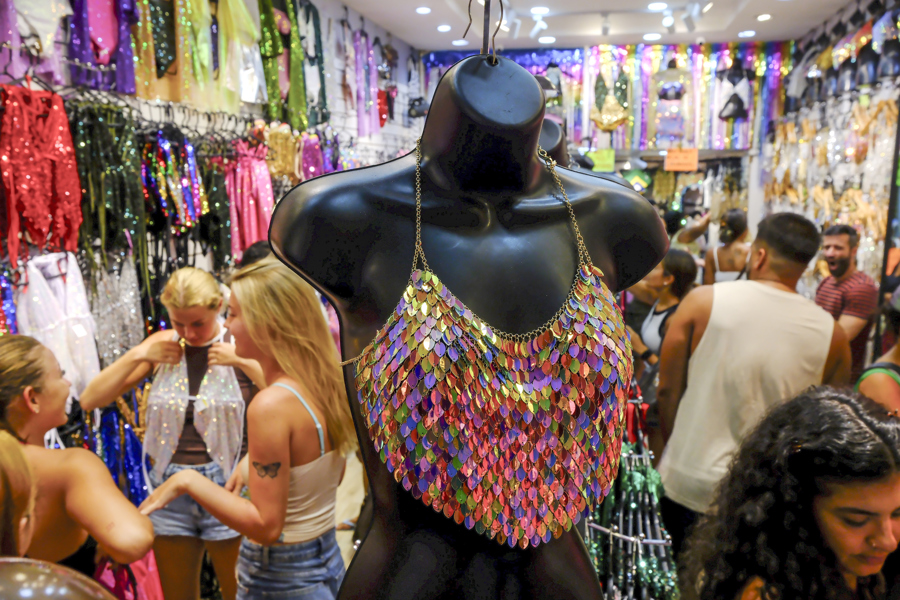
But the economic effect of the carnival is activated much earlier, with an extensive production chain that includes the manufacture of costumes, floats and pre-events.
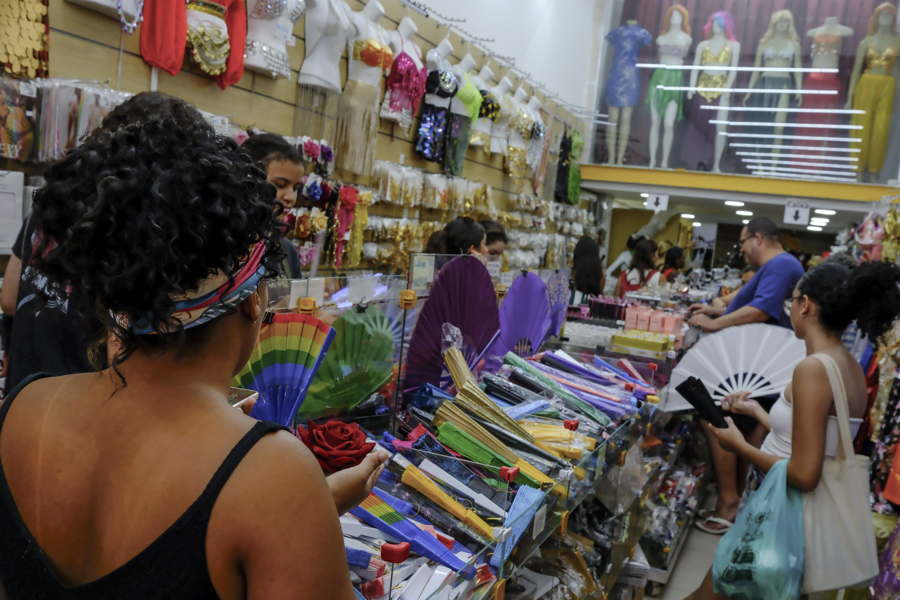
Although the economic impact of carnival is usually associated with Rio de Janeiro because it is the most emblematic in Brazil, the effect is transversal and goes beyond the party, explains Bentes.
São Paulo is the city with the highest revenue volume, as it concentrates the headquarters of airlines and tourism companies that capture part of the spending of visitors.