



San Francisco launches landmark lawsuit targeting ultra-processed food companies
Los Angeles, US,(EFE).
San Francisco has filed a historic legal action against some of the world’s biggest food companies, becoming the first United States city to sue manufacturers of ultra-processed foods.
The lawsuit, submitted this week before the San Francisco Superior Court, compares these corporations to Big Tobacco and accuses them of fueling a nationwide health emergency.

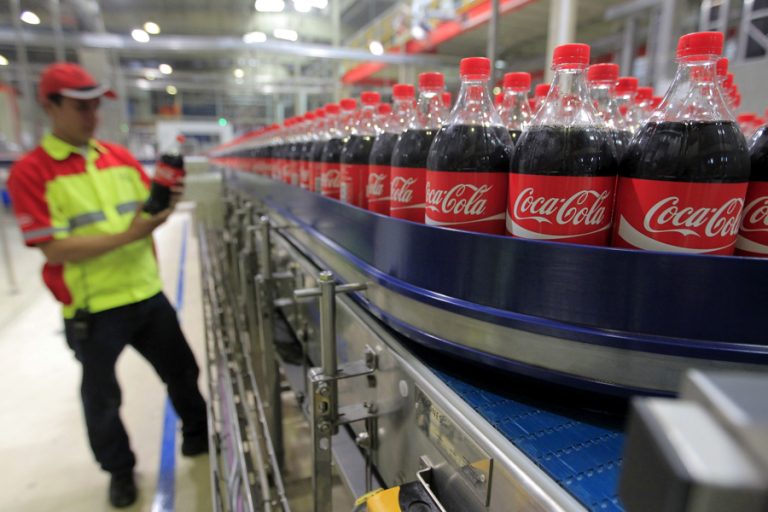
Metropolitan prosecutor David Chiu filed the suit against a dozen major firms, including Coca-Cola, Nestlé, and Kellogg’s, alleging that they have long known their products cause illness and “continue to design and market foods that are increasingly addictive and harmful to maximize profits.”
Health risks linked to processing, not just sugar or fat
According to the complaint, the proliferation of ultra-processed foods in the US diet has been tied to serious medical conditions that carry enormous healthcare costs for cities, states, and families across the country.

The filing defines ultra-processed foods as ready-to-eat products that have been chemically modified, broken down, enhanced with additives, and reassembled through industrial techniques such as molding, extrusion, and pressurization.
“Health concerns tied to ultra-processed foods extend beyond calories, fats, sugar, salt, or carbohydrates,” the complaint states. “Ultra-processed foods themselves pose unique health risks. High levels of processing alter the physical and chemical structure of foods and the way they are digested.”

The legal action cites extensive research linking consumption of these products to obesity, type 2 diabetes, cardiovascular disease, cancer, and cognitive decline.
A US Centers for Disease Control and Prevention (CDC) study published in August found that the rise in obesity linked to ultra-processed foods “disproportionately affects Latinos compared to non-Hispanic whites.”

The report notes that immigration and cultural assimilation have been tied to unhealthy dietary shifts among Latino immigrants, a pattern described as “food acculturation.”
Food industry influence compared to big tobacco and alcohol Ultra-processed products make up 70% of the entire US food supply, according to data cited by The New York Times.

The lawsuit points out that the companies behind these products have become one of the most powerful lobbying forces in Washington, with strategies comparable to those used historically by the tobacco and alcohol industries.
Chiu argues that the industry’s political influence has helped delay public health interventions and has obscured the risks associated with heavy processing.

“Ultra-processed foods are driving preventable disease on a national scale,” the prosecutor said in the complaint, insisting that manufacturers must be held accountable for the harm caused.
The case, filed on behalf of the state of California, seeks to establish industry responsibility for widespread health impacts and to push for regulatory changes that address what San Francisco officials describe as an escalating public health crisis