

Washington, Feb 20 (EFE). –
United States President Donald Trump signed a 10% global tariff on all countries on Friday in response to the Supreme Court ruling that blocked his trade policy.

“It is a great honor for me to announce a global tariff of 10% on all countries, which will take effect almost immediately,” the president wrote on his official Truth Social account.
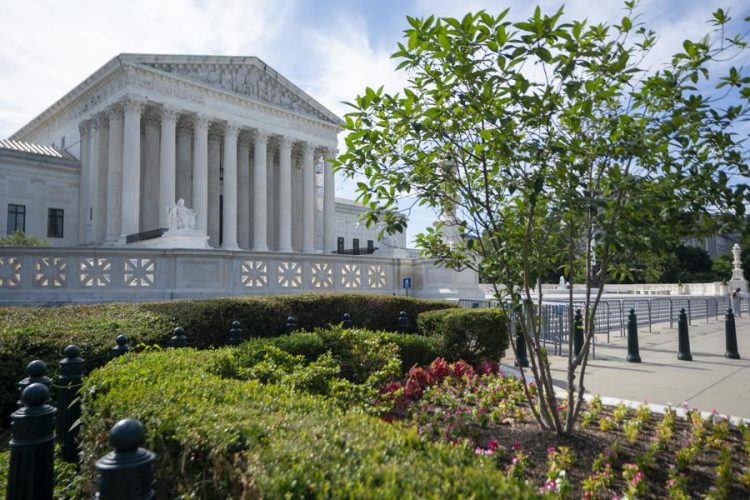
The Supreme Court ruling affects the 10% global base tariff on foreign imports and the so-called “reciprocal” levies, along with the 25% tariffs on Mexico and Canada to pressure them to curb drug trafficking into the US.

Also included are the 50% retaliation tariffs on Brazil and India, imposed due to Brazil’s prosecution of former President Jair Bolsonaro (2019-2022), and India’s purchase of Russian crude oil.
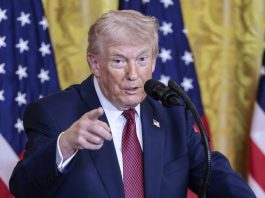
Before signing the new law, Trump had openly criticized the Supreme Court’s actions during an impromptu press conference at the White House, announcing he would now enforce other laws to implement new tariffs.

Among the ones he cited were the 1974 Trade Act, which only allows tariffs to be increased by up to 15% and for periods of 150 days, so it is unclear how it will be implemented in the long run.
The Trade Expansion Act of 1962, signed by President John F. Kennedy during the Cold War, allowed expanding presidential authority to negotiate trade agreements and modify tariffs.

The Hawley-Smoot Tariff Act of 1930, which raised import tariffs to historically high levels with the purpose of protecting American industries and farmers from foreign competition.
Friday’s Supreme Court ruling established that the US government does not have inherent powers in peacetime to impose tariffs based on the International Emergency Economic Powers Act (IEEPA) of 1977, which Trump had invoked so far.

The court considered these levies a tax on consumers and, therefore, ruled they required Congressional approval.
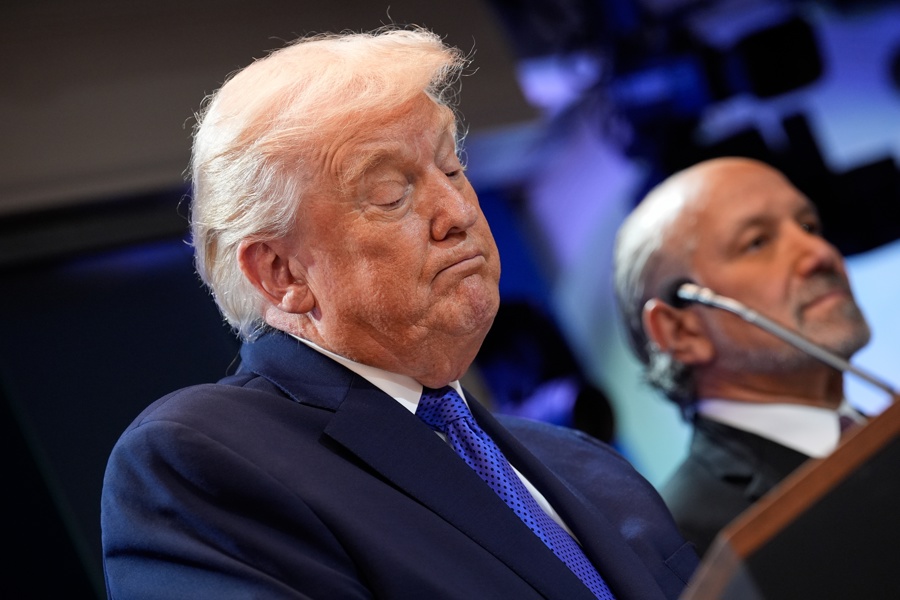
The president, visibly upset by the judicial decision, assured reporters that “the Supreme Court did not overrule tariffs. They merely overruled a particular use of IEEPA tariffs.” EFE

dte-lt-acd/dmv-mcd