


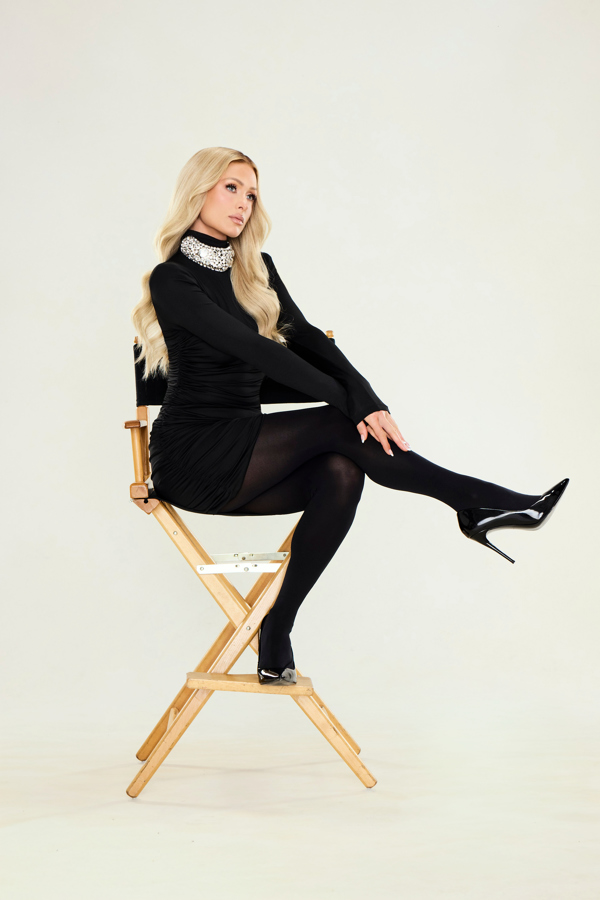
Paris Hilton speaks out on humiliation and harassment in the 00s.
Los Angeles, US, (EFE).
During the 2000s, Paris Hilton emerged as an iconic pop culture figure, captivating the world with her extravagant lifestyle, but behind the “dumb blonde” persona perpetuated by the gossip press was a reality of media harassment and misogyny targeting an entire generation of young women in the industry.
“For so much of my life and career, my story has been told by others who had no idea what the true story was. People thought of me as like this cartoon character. There was always so much more in me,” the American celebrity told EFE in an interview.

In her new project, Infinite Icon: A Visual Memoir, premiering on Friday, the businesswoman and DJ analyzes the scars of fame as she recounts how music became her refuge after success cost her her identity and took an emotional toll.
“I was just too afraid to even talk about it because I was always taught to portray this perfect life,” Hilton said.
Pop culture icon
Paris Hilton was the epicenter of the teen pop era and a pioneer of the “famous for being famous” concept. She defined the 2000s aesthetic, making velour tracksuits and low-rise pants fashionable at the height of reality television shows and the paparazzi phenomenon.

Behind the scenes, however, the apparent modern fairy tale hid a systematic harassment that turned the vulnerability of celebrities like Hilton into big business for the gossip press.
An example was her prison stint in 2007, televised as a comedic spectacle, as she suffered anxiety attacks in front of cameras worldwide.
“Back in the 2000s, they were just so cruel. And it just, it was like a form of entertainment just tearing women down, and especially they targeted myself and a few other girls in the industry,” Hilton noted.
The digital era changed everything
Although the misogyny she experienced 20 years ago still exists and has spread to the digital environment, Hilton considers that society has evolved and now rejects cheap sensationalism and the harassment of celebrities.
“A reporter would not even ask questions or, you know, speak the way that some of them did back in the day. Now there is social media. So there are people who are hiding behind the computer,” she added.

Hilton praises the new generations for their responsibility in this process, saying that they “care about things like authenticity.”
“Because growing up when I did, people were not that way (…) You were just taught you need to be perfect and nobody said any negative, and nobody would even say the word mental health (…) So I think it’s just really incredible how this generation has really embraced that and they’re more honest and open,” she said.
Now that she feels she has taken control of her narrative, Hilton hopes she has helped “change the world in that way, and also have people be strong and know that they shouldn’t care what others think. They should care more about what they think of themselves.”
“I really feel proud just to finally show the real me,” the pop icon concluded. EFE