


Tehran, Mar 1 (EFE).-
Iran confirmed on Sunday the death of Supreme Leader Ayatollah Ali Khamenei and vowed the largest military operation in its history in retaliation against the United States and Israel, as both countries announced further strikes.
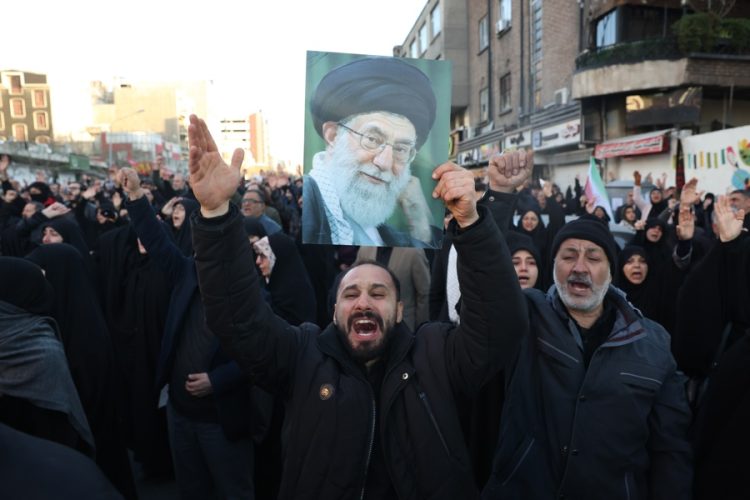
“We have lost our great leader and we mourn him (…) His martyrdom at the hands of the most terrible terrorists and enemies of humanity is a symbol of his virtue,” the Islamic Revolutionary Guard Corps said in a statement.

After confirming the death of the 86-year-old cleric, who has been in power for nearly four decades, in Saturday’s attacks by Israel and the United States, the elite military force said the Iranian nation would take revenge and “will not leave its killers in peace until they face a harsh, decisive, and regrettable punishment.”
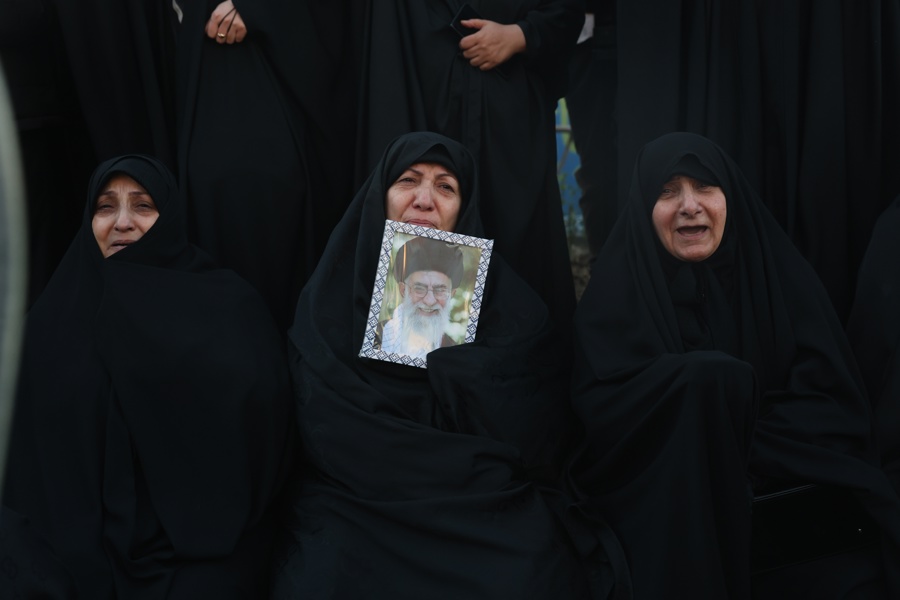
In an emotional broadcast, a state television presenter announcing Khamenei’s death said the country would observe 40 days of mourning.

Iran further confirmed the deaths of the commander-in-chief of the Revolutionary Guard, General Mohammed Pakpur, and the secretary of the Defense Council, Ali Shamjani, state broadcaster Press TV reported, without providing additional details.
Shamjani, an adviser to Khamenei, was considered the architect of Iran’s defense strategy, which he shaped during his tenure as secretary of Iran’s Supreme National Security Council from 2013 to 2023.
The news agency Fars, which is close to the Revolutionary Guard, also reported that Khamenei’s daughter, son-in-law and grandson were killed in Saturday morning’s attacks by the United States and Israel.

Transition period begins
Hours earlier, US President Donald Trump announced Khamenei’s death and called on the Iranian people to reclaim their country after decades under clerical rule.
As the country began mourning the death of its leader, Iran formed an interim governing council to lead the Islamic Republic until a new supreme leader is selected.

President Masud Pezeshkian, hardline judiciary chief Gholamhossein Mohseni Ejei, and a jurist from the Guardian Council, a power-wielding Iran’s constitutional watchdog, will sit on the council.
Trump said he believed Khamenei’s death could facilitate a diplomatic solution with Iran. “Much easier now than it was a day ago, obviously,” Trump said told CBS, when asked about the prospect of a diplomatic solution to the crisis during a phone interview. “Because they are getting beat up badly.”

Meanwhile, Reza Pahlavi, the eldest son of the Shah deposed in the 1979 Islamic Revolution, wrote in a Washington Post article that he intended to play a central role in Iran’s transition.
“Many Iranians, often despite facing bullets, have called on me to lead this transition. I am in awe of their courage, and I have answered their call,” he wrote.
“Our path forward will be transparent: a new constitution drafted and ratified by referendum, followed by free elections under international oversight.”

New wave of Israeli attacks
The Israeli army announced early Sunday a new wave of strikes against around 30 targets in western and central Iran, including air defense systems, missile launchers, and military command centers.
The military said it would continue “degrading the capabilities” of the Iranian regime “until it can no longer threaten our population.”
Iranian news agencies Mehr and ISNA reported explosions in Tehran, which had already been targeted on Saturday following the joint US.-Israeli offensive.

Since then, both sides have launched several waves of drone and missile strikes.
In addition to targeting Israeli cities including Tel Aviv and Jerusalem, Iran has launched attacks against the United Arab Emirates, Qatar, Bahrain and Kuwait, among other U.S.-allied countries hosting American military bases.
The US and Israeli offensive began early Saturday, targeting sites in Tehran and other Iranian cities, including Tabriz in the northwest and Isfahan in central Iran.

The attacks have so far resulted in more than 200 deaths, according to Red Crescent estimates.
The UN Security Council held an emergency meeting on Saturday to address the US and Israeli strikes on Iran, amid growing fears that the crisis could escalate into a broader regional conflict.
The Board of Governors of the International Atomic Energy Agency (IAEA) also announced it will hold an extraordinary meeting in Vienna on Monday to discuss the situation in Iran. EFE

jlr-mrs-raa-pav-sk