




Cuban doctors to leave Guatemala!
The Cuban team departure was announced by the government of President Bernardo Arévalo de León in February.
Guatemala City, Mar 11 (EFE).– By Agustín Ortiz and Alex Cruz
The departure of approximately 400 Cuban doctors who support the Guatemalan health system could leave a void, after the government of President Bernardo Arévalo de León decided to discontinue their services and unilaterally end an agreement that had been in place for several decades.
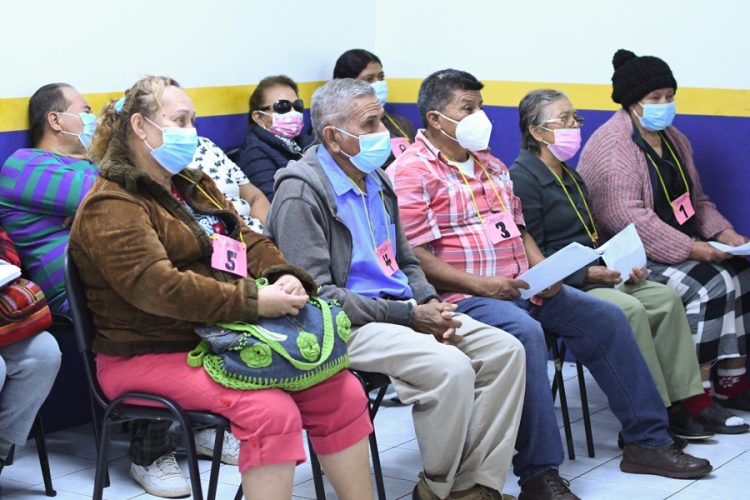

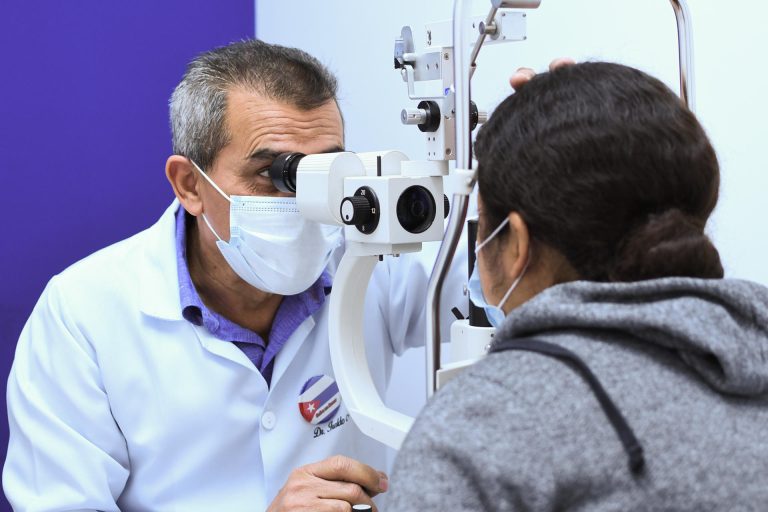
The specialists’ departure is generating uncertainty in public medical centers such as the Villa Nueva Ophthalmological Hospital, located in the municipality of the same name, 20 kilometers south of the Guatemalan capital.
”We deeply regret the situation, and it makes us sad because they are leaving and they have done so much for the people,” María Alicia de Pinula, a patient who had undergone surgery, told EFE regarding the departure of the Cuban doctors.
Verónica Suruy, who has undergone two surgeries in recent weeks, also asked the authorities to reconsider the decision: “If it’s within your power, please let them stay; they’ve been a great help.”

The substitution plan, scheduled to begin in April and last until December, aims to replace the 412 members of the Cuban medical brigade, 333 doctors plus technical and administrative staff, with Guatemalan professionals, ending 28 years of uninterrupted cooperation.
”The agreement is that they will not return because it’s part of the plan to strengthen the healthcare network with national talent,” Dr. Luis Enrique Castellanos, director of Integrated Health Services Networks at the ministry, explained to EFE.

According to the official, the country’s conditions have changed since the brigade’s arrival in 1998 following Hurricane Mitch, which devastated Guatemala and left nearly 300 dead, triggering the arrival of Cuban medical assistance.
That is why, as Castellanos points out, the Ministry of Health is promoting a replacement plan that will ensure “health services are not left without the support” currently provided by Cuban doctors.

”Back then (three decades ago), few doctors graduated. Now, many more graduate, and it is time to start utilizing national talent,” stated the official, who confirmed that there are already open calls for applications to fill vacancies in specialties such as pediatrics and obstetrics.
Despite official optimism, the departure of the specialists is generating uncertainty due to the void they could leave, especially since they are present in 16 departments, including remote areas such as Alta Verapaz (north), Huehuetenango (west), and San Marcos (southwest).

Their main work has been general medicine and gynecology in areas where, “at the time, there was no capacity” to send local doctors, according to Castellanos.
The agreements contemplated establishing three-year service periods for Cuban professionals and two-year periods for technicians.

According to estimates from independent organizations, Guatemala’s Ministry of Health has one of the lowest budgets in the region, and its healthcare system lacks the personnel and infrastructure necessary to serve the country’s 18 million inhabitants.
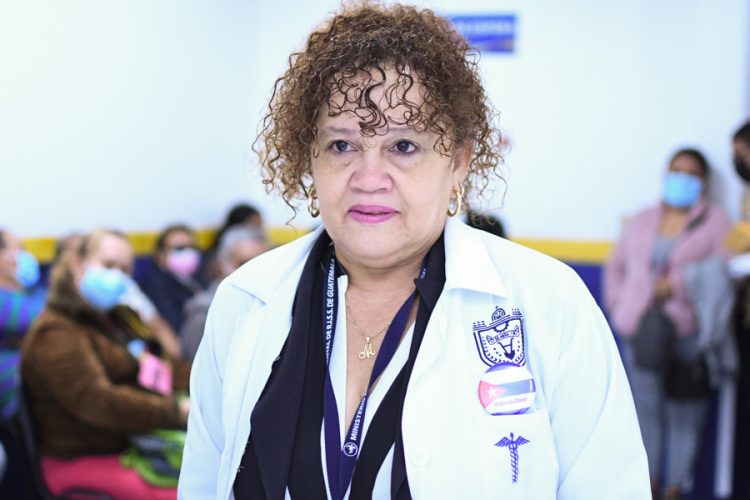
”Yesterday we saw 100 patients and performed 15 surgeries… we do this every day,” Cuban doctor María Elena Barrero Aguilar told EFE, regarding the work of her compatriots in the Central American country.

“I believe that, with modesty, we have been able to accomplish the task,” she added.
The Cuban doctor, an expert in ophthalmology, expressed her satisfaction at “restoring health to the people of Guatemala,” even though many of her colleagues will have to pack their bags and return to the island prematurely. EFE

ao-ac/mcd
