





AI Japanese Robots Update!
Tokyo, Dec 3 (EFE).- By Pilar Bernal Zamora
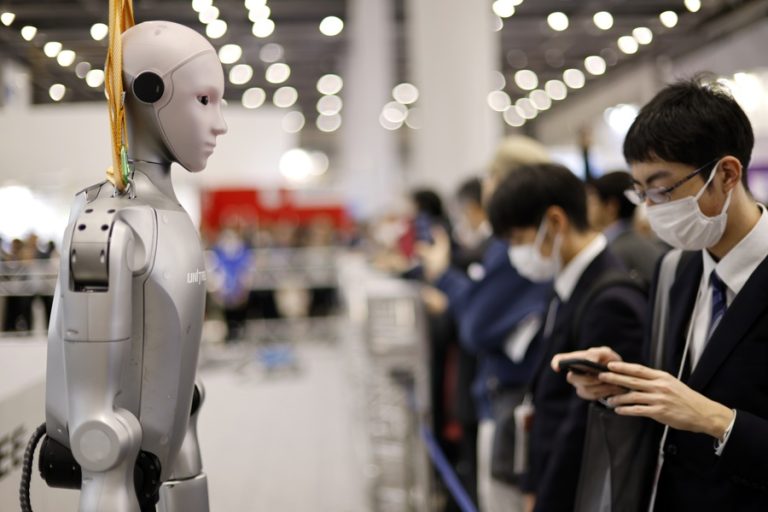
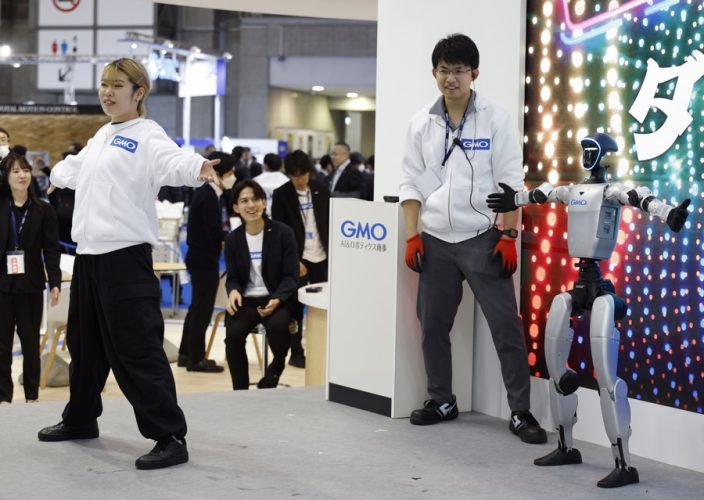
Robots that work as waiters, receptionists, medical assistants, and rescuers are some of the proposals aimed at reinventing the job market at iREX 2025, the world’s largest robotics exhibition, which opened its doors on Wednesday in Japan with a special emphasis on physical artificial intelligence (AI).

Under the theme “Sustainable Societies Through Robotics,” the exhibition kicked off at Tokyo Big Sight with a record 673 exhibitors and more than 3,300 booths.
Until Dec. 6, the event will showcase everything from cutting-edge industrial machinery to robots designed for caregiving, or even to collaborate in customer-facing businesses with their best “smiles.”
“Meet your new friend,” announced the posters of the Japanese company Kawasaki.

The Japanese company garnered considerable attention with the public unveiling of its new model, the ‘RHP Kaleido 9,’ a humanoid robot developed over 10 years that will assist in rescue operations during natural disasters.
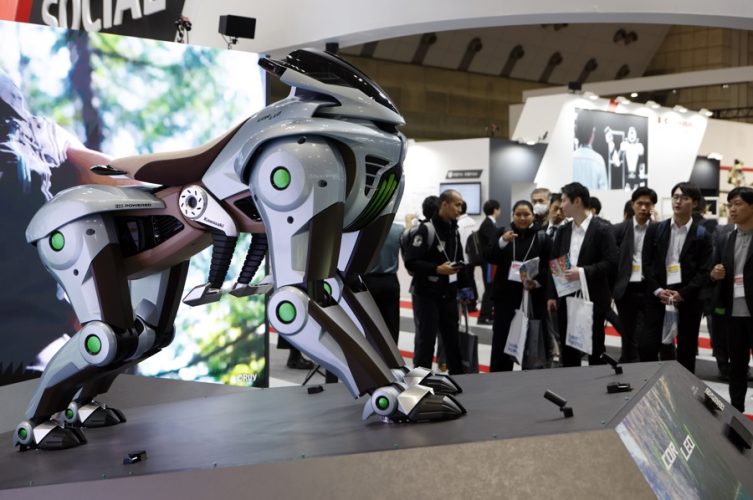
Other models from the company were also on display, such as Nyokkey, designed to assist people in their daily tasks, and the four-legged Corleo, presented at the Osaka World Expo, which allows the driver to straddle its “back” to travel through areas inaccessible to conventional vehicles.

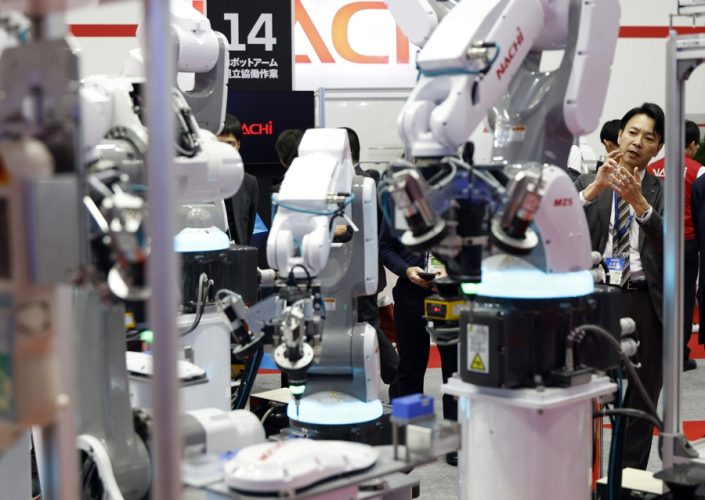
Beyond humanoid robots intended for companionship or caregiving, the exhibition remains particularly focused on industrial machinery, with a special emphasis this year on physical AI.
This technology aims to give machines like robots and vehicles the ability to perceive and interact with the world in real time, using cameras, sensors, and radar that allow them to understand even human commands and instructions.
Fanuc, present at the fair and one of the archipelago’s largest manufacturers of industrial robots, closed a deal this week with the American chip company Nvidia precisely to strengthen its capabilities in this area.

Both companies will collaborate to advance the implementation of physical AI in Fanuc’s industrial robots, the Japanese company explained, causing its shares to jump 6.51 percent at the Tokyo Stock Exchange on Tuesday before correcting down 1.81 percent on Wednesday.
Indicative of the rapid aging and declining birth rate in the archipelago, the trade show also featured a strong presence of machines dedicated to accompanying and caring for the country’s elderly population.

The well-known Lovot emotional companion robot, developed by the Japanese company Groove X, and the Mirokai humanoid model, developed this year by the French firm Enchanted Tools, were some of the models exhibited in this regard.

The goal is to provide support and care services to a society with a high rate of isolation, where 39.9 percent of the population admits to feeling lonely, and a record number of single-person households are close to becoming the most common type of household in the country, according to data published this year by the Japanese ministry of health, labor and welfare. EFE

pbz/pd
